Glass/mineral waste materials 12

12 sustainable materials made from glass/mineral waste.

  1. 001

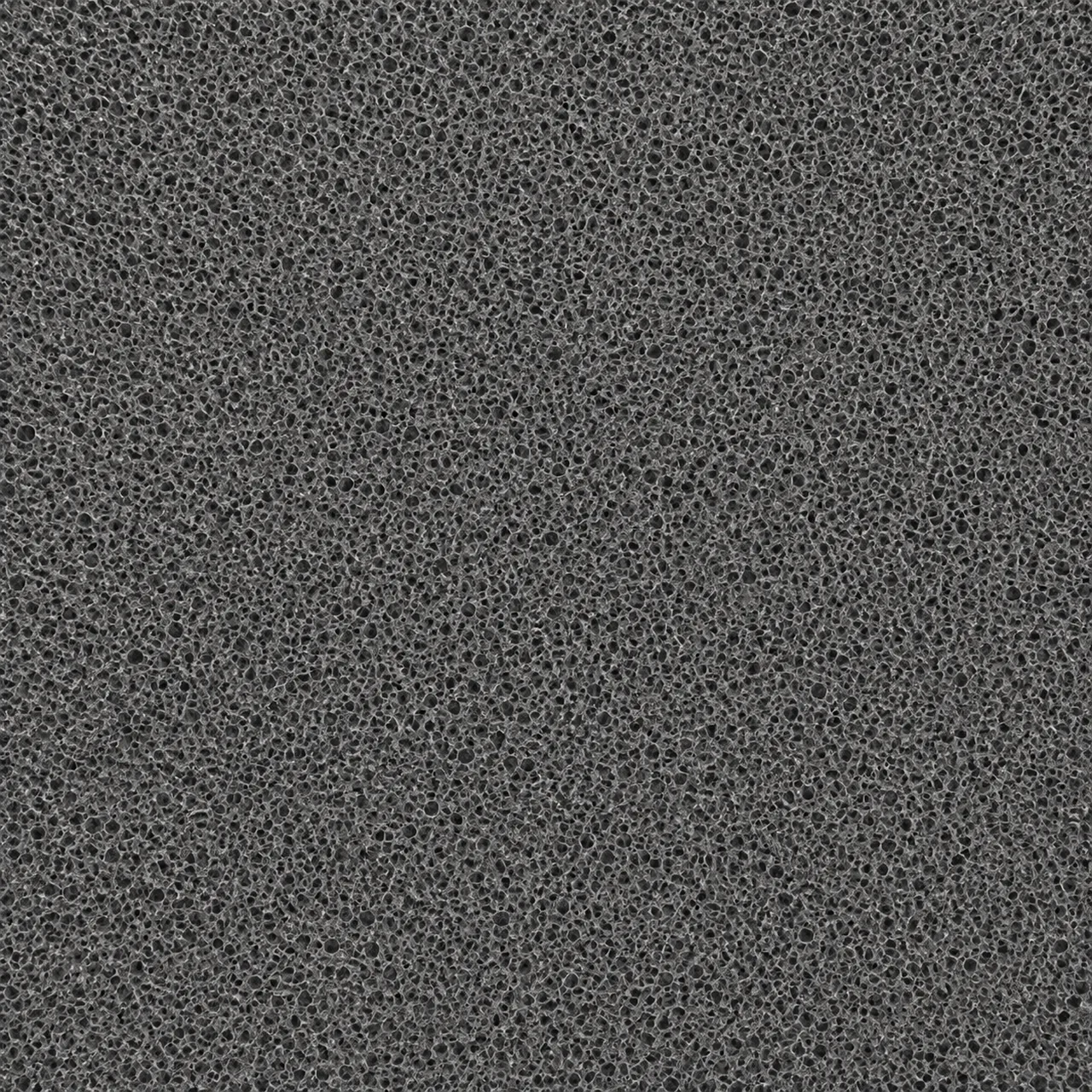
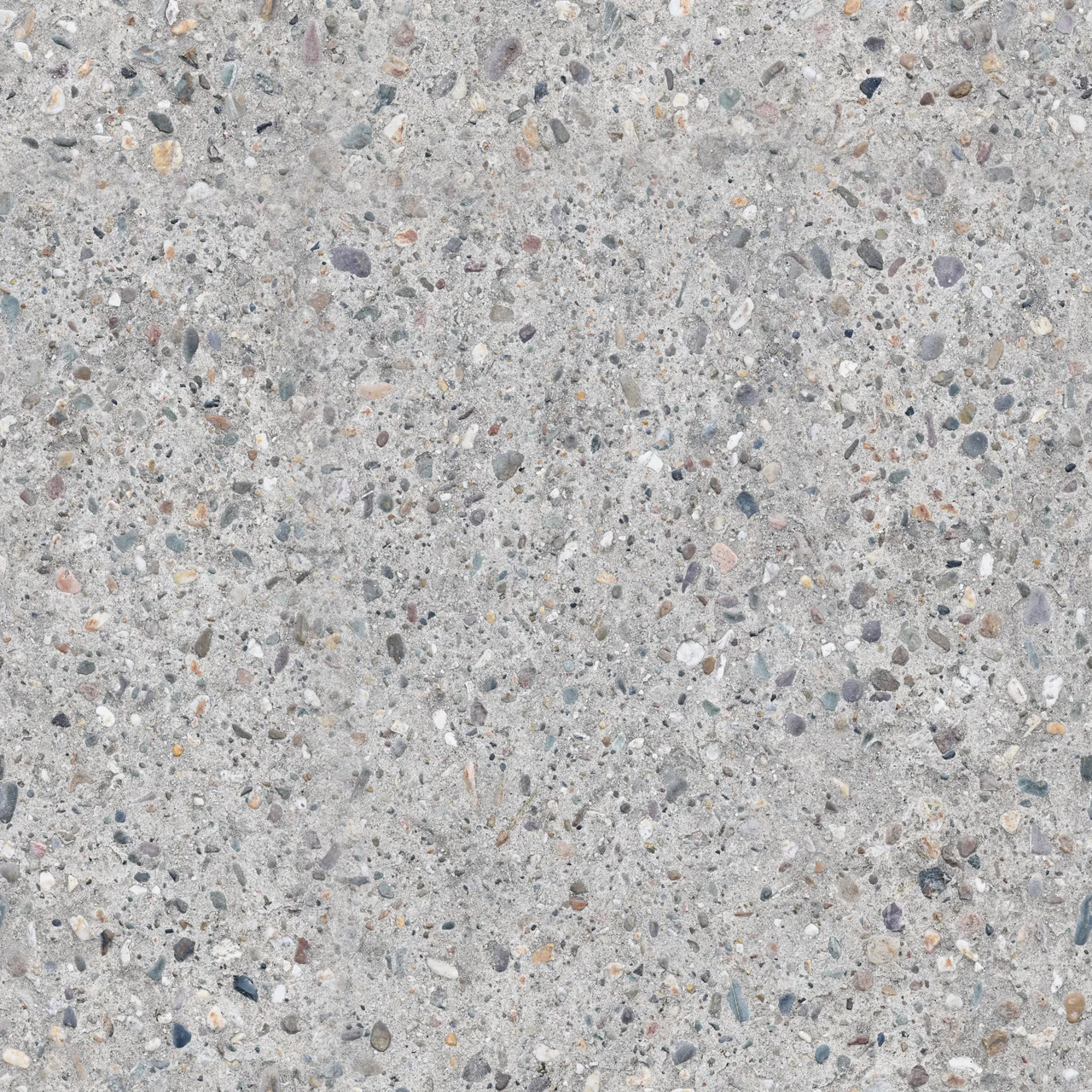
    Cellular glass boards / gravel

    Cellular glass insulation made from 100% recycled glass.

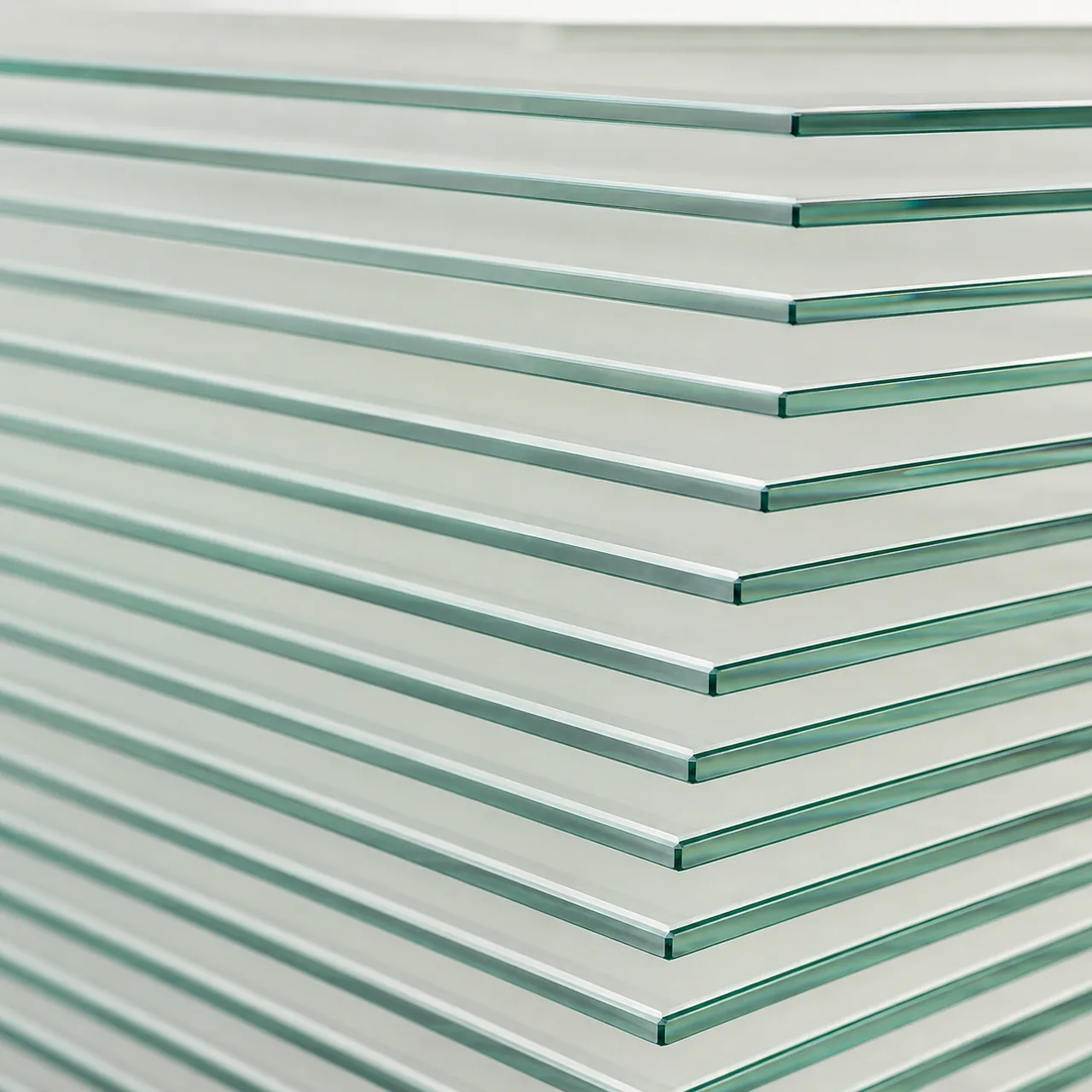
    Cellular glass boards / gravel representative image

    A cellular glass the manufacturer describes as 100% recycled glass. It comes in two forms, board and gravel.

    Manufacturer
    GLAPOR (Germany)
    Evidence
    Verified (3rd party)
    Feedstock
    Glass/mineral waste
    Checked
    2026-08-17
  2. 002

    FOAMGLAS boards

    A closed-cell glass insulation containing on average 50% post-consumer recycled glass.

    FOAMGLAS boards representative image

    A cellular glass insulation that, according to official product documents, contains on average 50% recycled g…

    Manufacturer
    Owens Corning FOAMGLAS (United States / Belgium)
    Evidence
    Verified (3rd party)
    Feedstock
    Glass/mineral waste
    Checked
    2026-08-09
  3. 003

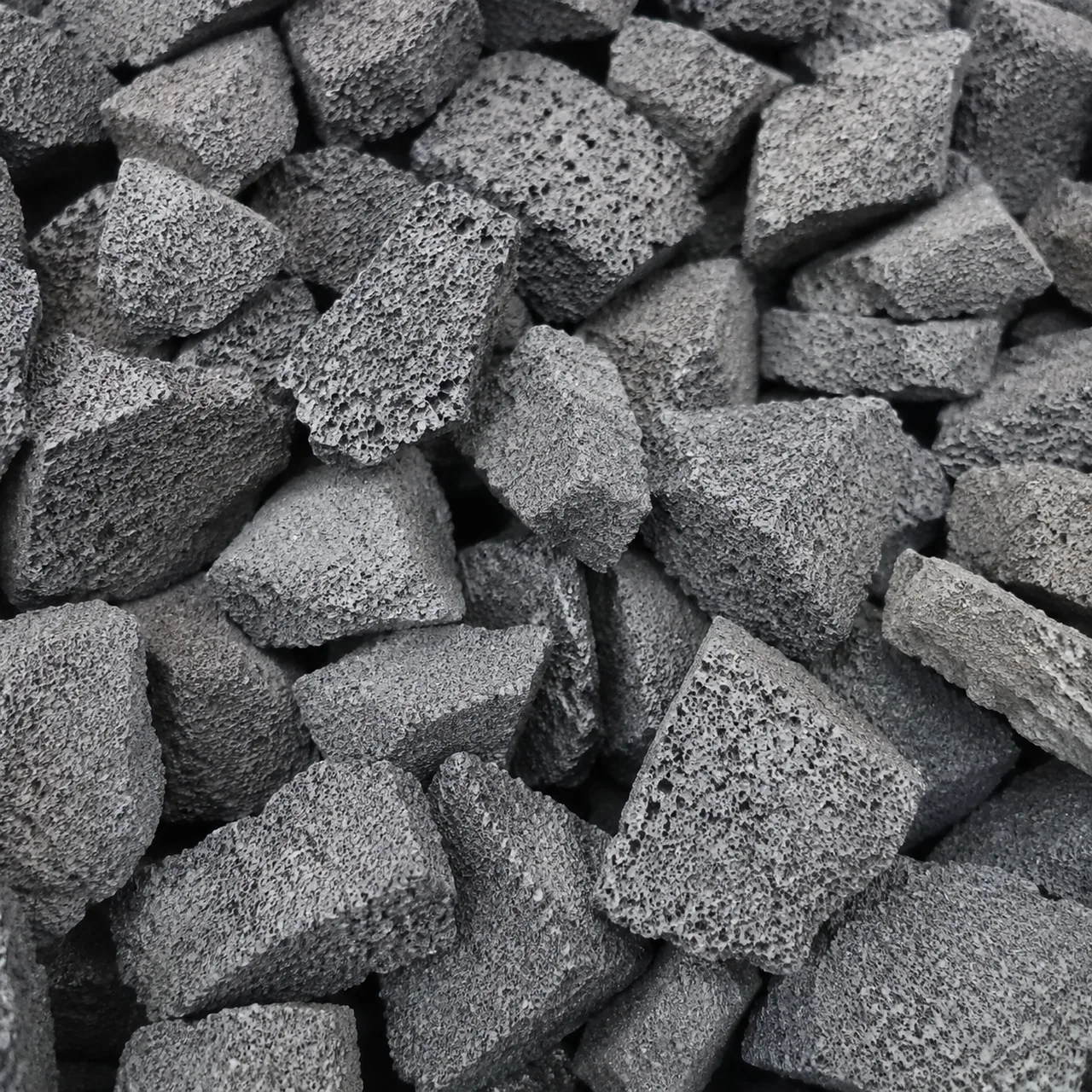
    GEOCELL foam glass gravel

    Foam glass gravel made from 99% recycled glass, milled and baked near 900°C with natural foaming agents. Bulk density 150 kg/m³, thermal conductivity 0.08 W/mK, compressive strength >570 kN/m², non-combustible A1 (sintering point >700°C). Used as load-bearing insulation under foundations and lightweight fill; leaching tests reported with no adverse effects.

    GEOCELL foam glass gravel representative image

    A rare material that is both insulation and aggregate, filling the loose-fill axis and the load-bearing groun…

    Manufacturer
    Geocell Schaumglas
    Evidence
    Manufacturer documented
    Feedstock
    Glass/mineral waste
    Checked
    2026-09-03
  4. 004

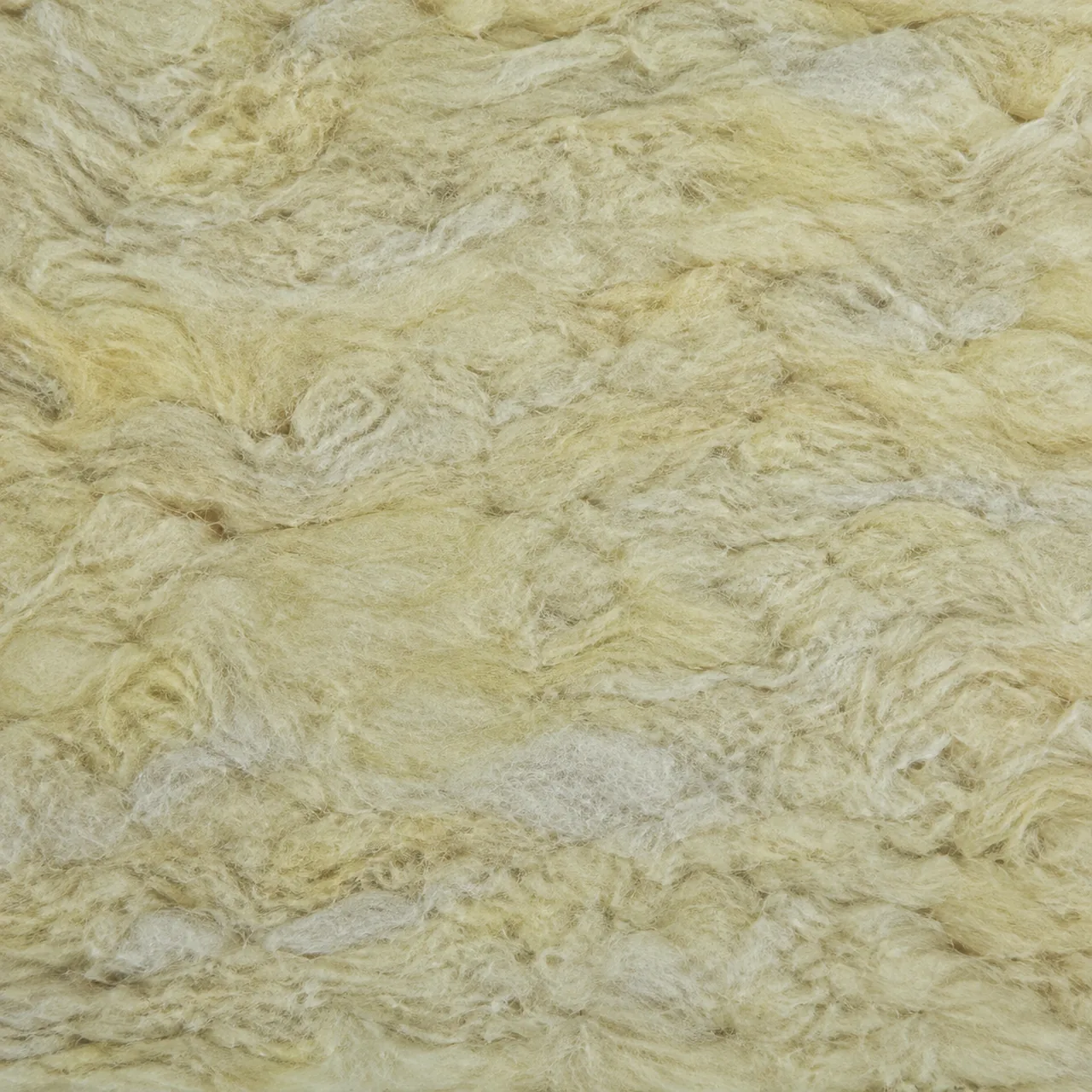
    Halcyon Eco

    A mineral fiber ceiling panel range using recycled content and a plant-based binder.

    Halcyon Eco representative image

    A glass-fiber-based sound-absorbing ceiling material made with a plant-based binder.

    Manufacturer
    USG (United States)
    Evidence
    Manufacturer documented
    Feedstock
    Glass/mineral waste
    Checked
    2026-08-09
  5. 005

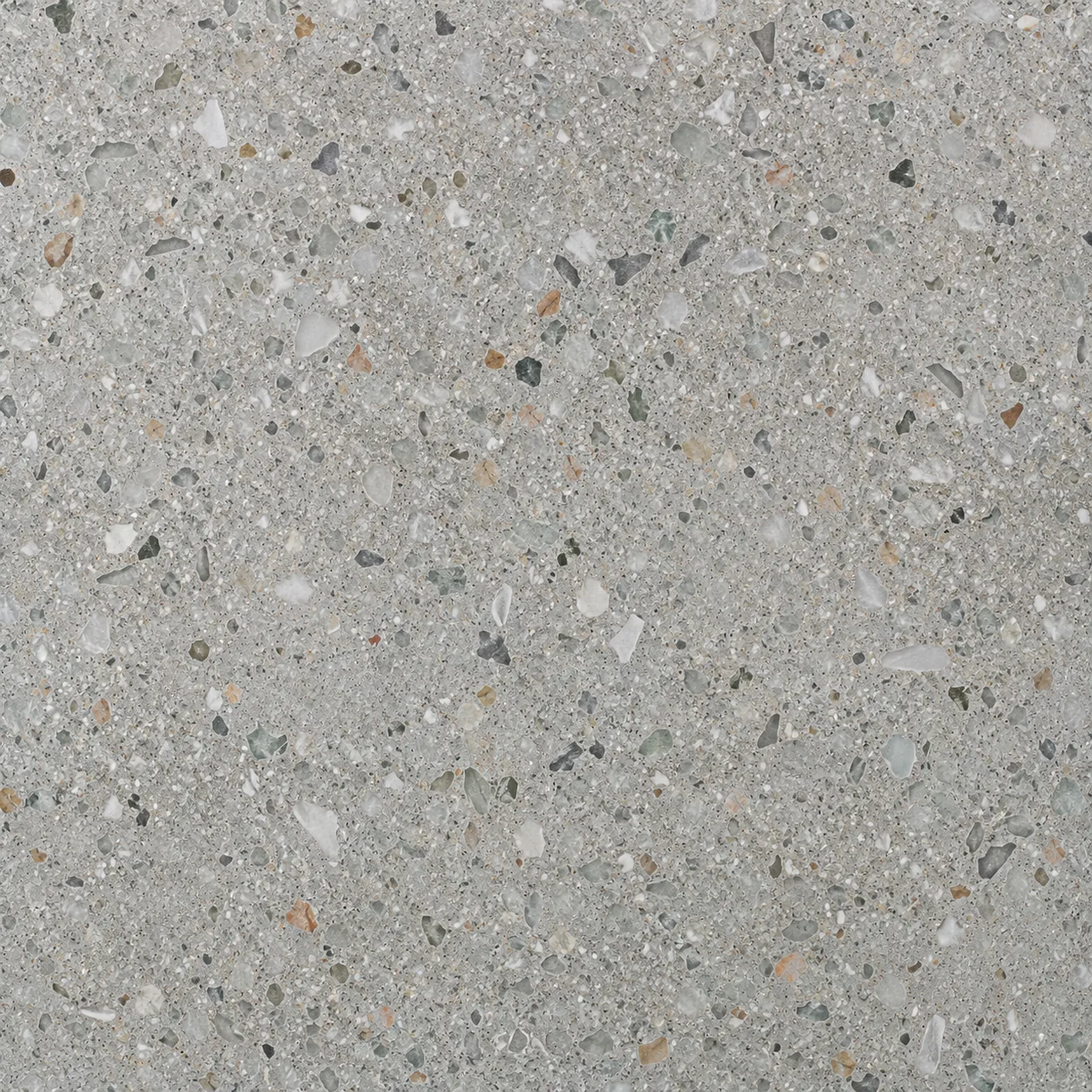
    IceStone — Confetti

    A terrazzo-like slab combining recycled glass and cement.

    IceStone — Confetti representative image

    A countertop and surface material that exposes colored fragments of waste glass like terrazzo while using a c…

    Manufacturer
    IceStone (United States)
    Evidence
    Manufacturer documented
    Feedstock
    Glass/mineral waste
    Checked
    2026-08-17
  6. 006

    KCC 그라스울 네이처

    Korean glass wool insulation with a corn-derived binder — over 70% recycled material, no formaldehyde emission, with Korea Eco-Label and top-grade HB mark.

    KCC 그라스울 네이처 representative image

    Among insulation readily available in Korea, one that states recycled content and binder chemistry in numbers…

    Manufacturer
    KCC (South Korea)
    Evidence
    Verified (3rd party)
    Feedstock
    Glass/mineral waste
    Checked
    2026-08-27
  7. 007

    MAGNA Glaskeramik slabs

    Large translucent/opaque glass-ceramic panels made by sintering waste glass.

    MAGNA Glaskeramik slabs representative image

    A panel the manufacturer describes as 100% recycled glass.

    Manufacturer
    MAGNA Naturstein (Germany)
    Evidence
    Manufacturer documented
    Feedstock
    Glass/mineral waste
    Checked
    2026-08-16
  8. 008

    Mas / SustainableTiles / Silicastone

    Surfaces made from ceramic and glass waste by Alusid, UK. The mass-produced Mas tile is 98.5% recycled; the SustainableTiles range a minimum of 91%. Mas Grey at 5.95 kg CO2/m² (cradle to gate), with 72% less water and 45% less energy than conventional production, and a stated 50-year lifetime. Conforms to CE and UK CA. Silicastone architectural surfaces alongside. Waste sourced from the Spanish tile industry.

    Mas / SustainableTiles / Silicastone representative image

    Raises the ceramic axis' recycled-content bar dramatically (91–98.5% vs Fireclay's 31%). Feeding the tile ind…

    Manufacturer
    Alusid (United Kingdom)
    Evidence
    Manufacturer documented
    Feedstock
    Glass/mineral waste · Industrial by-product
    Checked
    2026-09-04
  9. 009

    ORAÉ

    Low-carbon float glass combining 64% recycled cullet (declared per ISO 14021) with renewable electricity. Substrate (4 mm) at 6.64 kg CO2eq/m² — 42% below standard PLANICLEAR (coated 6 mm 10.26–10.71, −43%). Third-party verified EPDs (substrate Apr 2023, coated Nov 2023), Cradle to Cradle v4.0 Bronze (Platinum for circularity), Solar Impulse label. Launched Sep 2022; made at seven plants in Europe and India.

    ORAÉ representative image

    The first flat-glass record in the archive. For projects that cannot avoid glass — windows, facades — this is…

    Manufacturer
    Saint-Gobain Glass
    Evidence
    Verified (3rd party)
    Feedstock
    Glass/mineral waste
    Checked
    2026-09-03
  10. 010

    Original Ceramic Tile

    Recycled-content ceramic tile made at a solar-powered factory in Aromas, California. 31% recycled content (post-consumer glass, in-house scrap, quarry fines), 100% lead-free glazes, 150+ colours. Certified B Corp (score 127.7), Declare Red List Free, HPD and EPD published.

    Original Ceramic Tile representative image

    A rare tile that both puts recycled glass in the body and itemises the feedstock in its EPD to two decimals.…

    Manufacturer
    Fireclay Tile (United States)
    Evidence
    Verified (3rd party)
    Feedstock
    Glass/mineral waste · Industrial by-product
    Checked
    2026-08-27
  11. 011

    Vetrazzo slabs

    A terrazzo-type surface material of recycled glass pieces bound in a binder.

    Vetrazzo slabs representative image

    A countertop material that the manufacturer states uses 100% recycled glass aggregate.

    Manufacturer
    Vetrazzo (United States)
    Evidence
    Manufacturer documented
    Feedstock
    Glass/mineral waste
    Checked
    2026-08-09
  12. 012

    그라스울 (에너프리 외)

    Glass wool insulation from Byucksan, Korea. The official catalogue states over 85% waste-material (recycled glass) usage. Enerfree grade at λ 0.032 W/mK (Korean energy-code grade 가), standard 0.034–0.037, densities 24–120 kg/m³, hot shrinkage 300–400°C. KS, JIS, eco building material, Korea Eco-Label and non-combustibility certificates reproduced in the catalogue. Lines include Enerfree, Waterfree (water-repellent external), Freemat, G/C board and panel core.
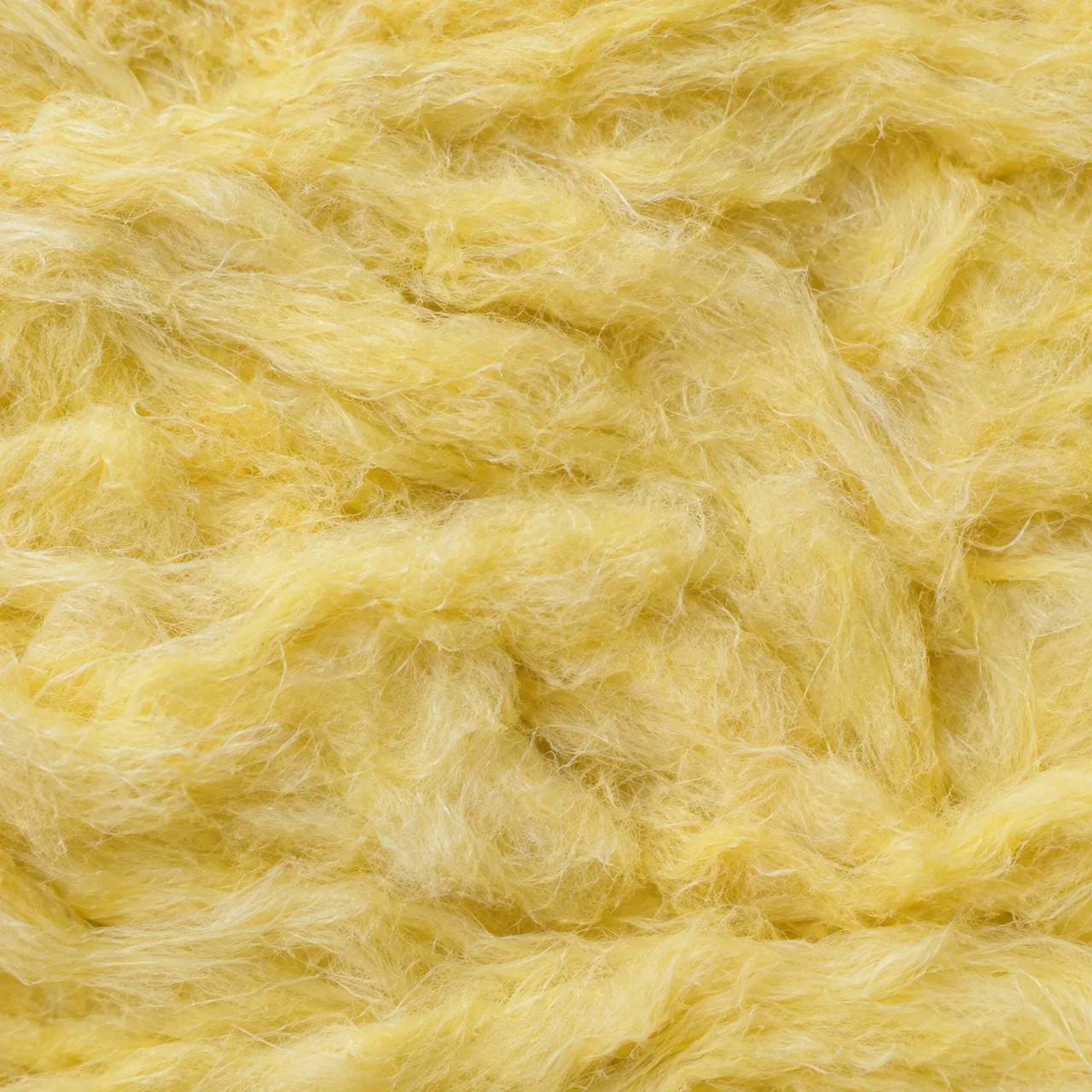
    그라스울 (에너프리 외) representative image

    The second Korean glass wool record after KCC Nature — this one puts the waste-material rate (85%+) in its ca…

    Manufacturer
    Byucksan (South Korea)
    Evidence
    Verified (3rd party)
    Feedstock
    Glass/mineral waste
    Checked
    2026-09-05